Bulldozer Push Arm C Frame Types and Their Operational Impact
Explore how dozer push arm c frame types solve common challenges in heavy earthmoving, enhancing performance in models like Cat D11 and Komatsu D275.
Addressing Structural Stress in Heavy-Duty Bulldozing
Experienced operators of heavy bulldozers often encounter challenges related to the structural integrity of the push arms during intense earthmoving tasks. High stress concentrations can lead to premature wear or failure, especially when operating in rocky or uneven terrain. The choice of push arm design directly influences not only durability but also blade control and overall machine stability.
Why the Dozer Push Arm C Frame Design Matters
The dozer push arm c frame design stands out by providing a robust, rigid connection between the mainframe and the blade assembly. Unlike traditional push arms, the "C" frame features a continuous, curved structure that distributes forces more evenly, reducing stress points. This geometry minimizes the risk of cracking or deformation under heavy loads, an essential factor for operators pushing massive rock or compacted soil.
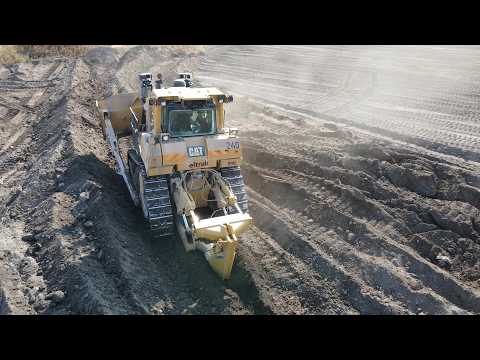
For instance, the Caterpillar D11 employs a push arm c frame that enhances blade maneuverability without sacrificing strength. The design contributes to improved power transfer and blade positioning precision, enabling operators to maintain control even in challenging conditions.
Comparing Push Arm C Frame Applications Across Models
Looking at the Komatsu D275A-8, it also incorporates a robust push arm c frame, optimized for high productivity in mining and large-scale earthmoving. Its frame design supports the machine’s significant horsepower and torque, ensuring the blade responds accurately to operator inputs while withstanding harsh operational stresses.
On the other hand, the John Deere 1050K offers a slightly different take on the push arm c frame, focusing on balancing strength with maintenance accessibility. Operators appreciate the ease of inspection and repair, thanks to the c frame’s modular construction, which reduces downtime without compromising reliability.
How Push Arm C Frame Choices Influence Site Efficiency
Choosing the right push arm configuration directly impacts site productivity. The c frame’s rigidity limits blade deflection during heavy loads, allowing operators to push larger volumes per pass. This efficiency gain is evident in machines like the Liebherr PR 766, where the c frame supports a wider blade and heavier payloads, translating to fewer passes and reduced fuel consumption.
Furthermore, improved blade control reduces operator fatigue, as less corrective effort is required to maintain blade angle and height. This ergonomic advantage is crucial during extended shifts, ensuring consistent performance without compromising safety.
Mitigating Repair Costs with Durable Push Arm Designs
Frequent push arm repairs can disrupt project timelines and inflate operating costs. The dozer push arm c frame design’s enhanced load distribution minimizes metal fatigue and cracking, extending service intervals. On high-hour machines like the Cat D11T, this means longer intervals between structural inspections and fewer costly rebuilds.
Additionally, because the c frame often integrates with standardized mounting points and blade linkages, replacement parts are more readily available, simplifying logistics and reducing downtime.
Final Thoughts on Selecting Push Arm C Frames
Experienced operators and site managers must weigh the trade-offs between strength, control, maintenance, and cost when selecting dozer push arm c frame types. Leveraging models known for their engineered c frame solutions—such as the Caterpillar D11, Komatsu D275A-8, John Deere 1050K, and Liebherr PR 766—can provide tangible advantages on demanding job sites.
Ultimately, understanding how these push arm c frame designs address structural challenges and operational demands empowers professionals to optimize bulldozer performance, reduce downtime, and enhance site productivity.