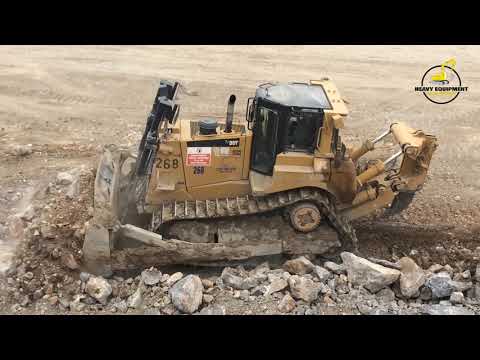
Cat D8 vs Komatsu D155: Essential Buyer Insights for Pros
Explore critical factors when choosing between Cat D8 and Komatsu D155 dozers, focusing on hidden costs and dealer pitfalls for seasoned operators.
Assessing Power and Fuel Efficiency: Cat D8 vs Komatsu D155
When comparing the Cat D8 and Komatsu D155, one of the first things experienced buyers and site managers scrutinize is engine performance and fuel consumption. The Cat D8, specifically the D8T model, is powered by the Cat C15 ACERT engine, delivering around 354 horsepower. Meanwhile, the Komatsu D155AX-8 features a Komatsu SAA6D140E-5 engine rated at approximately 354 horsepower as well. Although the numbers are similar on paper, the real-world fuel efficiency varies depending on site conditions and operator habits.
Seasoned professionals report that the Komatsu D155 tends to have a slight edge in fuel economy under consistent load conditions, thanks to its advanced electronic fuel injection system. However, the Cat D8T offers better torque at lower RPMs, making it preferable for tasks requiring sustained pushing power in challenging terrains. This difference affects operational costs significantly over the machine's lifecycle.
Evaluating Undercarriage Longevity and Maintenance Realities
Undercarriage wear is a major hidden cost often underestimated during purchase or rental decisions. The Cat D8T's undercarriage components, such as its track shoes and rollers, are designed for heavy-duty applications and generally exhibit longer wear intervals, particularly in abrasive environments. Nevertheless, replacement parts and service can be more expensive compared to Komatsu's offerings.
The Komatsu D155AX-8 boasts an undercarriage system engineered for easier maintenance with modular components, which can translate to reduced downtime. However, operators have noted that in rocky or uneven ground conditions, the D155’s undercarriage may require more frequent adjustments and part replacements. This factor should heavily influence decisions based on job site specifics.
Hidden Costs: Dealer Disclosures and Warranty Fine Print
Experienced buyers know that what dealers don’t always highlight can impact total cost of ownership. For instance, Cat dealers often emphasize the D8’s robust build and global support network but might understate the higher initial acquisition cost and pricier OEM parts. Conversely, Komatsu dealers tend to promote lower upfront pricing and fuel savings but might not fully disclose the potentially higher maintenance frequency on certain components.
Warranty coverage differences also come into play. Cat’s standard warranty for the D8T generally covers major components for 12 months or 2,000 hours, with options to extend. Komatsu’s D155AX-8 warranty can vary more by region, sometimes with shorter coverage periods on hydraulics and electronics, which can lead to unexpected expenses if issues arise post-warranty.
Choosing Between Cat D8 and Komatsu D155: Operational Priorities and Site Conditions
For professionals deciding between the Cat D8 vs Komatsu D155, it’s critical to align machine capabilities with operational needs. The Cat D8T excels in heavy-push applications and has proven reliability in extreme conditions, often favored in earthmoving projects requiring maximum traction and durability. Models like the Cat D8T EPA Tier 4 Final incorporate enhanced emissions technology without sacrificing power but come with added maintenance considerations.
On the other hand, the Komatsu D155AX-8 is better suited for jobs where fuel efficiency and ease of serviceability take precedence. Its advanced monitoring systems enable operators to track machine health proactively, which can reduce unexpected downtime. The D155’s blade configurations and powertrain responsiveness often result in smoother grading operations on moderately challenging terrain.
Ultimately, buyers and renters should conduct a thorough cost-benefit analysis beyond sticker price, including consultation with operators familiar with both machines in similar environments. Factoring in hidden costs like undercarriage replacement cycles, fuel consumption under load, and dealer service policies will ensure a more informed and financially sound decision.