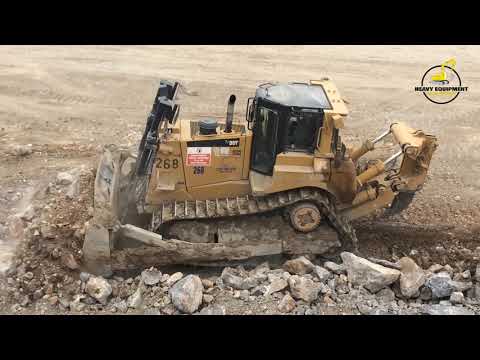
Dozer Blade Types Explained: What Buyers Must Know
Explore key insights on dozer blade types, hidden costs, and dealer tips to help experienced pros make informed buying or renting decisions.
Understanding Dozer Blade Types for Informed Equipment Decisions
For site managers and seasoned operators, choosing the right dozer blade type goes beyond surface-level specs. It’s about matching blade characteristics to your project’s demands while anticipating the real costs involved. Dozer blade types vary significantly in shape, capacity, and durability, influencing productivity and maintenance expenses.
Key Dozer Blade Types and Their Operational Strengths
The three primary blade types dominate the market: straight (S-blade), universal (U-blade), and semi-U blade. Each offers distinct advantages depending on material type, terrain, and application.
The Straight blade (S-blade) is a low-profile blade without side wings, optimized for fine grading and spreading material with precision. Caterpillar’s D6T model often pairs with this blade for exacting finish work, especially in tight spaces. However, it handles lower material volumes, increasing cycle times on bulk earthmoving jobs.
The Universal blade (U-blade) features pronounced side wings, allowing higher capacity and better material retention—ideal for pushing loose, low-cohesion materials over long distances. The Komatsu D155AX-8’s standard U-blade excels here, offering high productivity in heavy-duty earthmoving. Yet, the increased size requires more machine power and fuel, which can inflate operating costs.
Between these lies the Semi-U blade, blending material retention with maneuverability. The John Deere 850K’s semi-U blade provides a balance by handling diverse materials efficiently without the bulk or fuel consumption penalties of a full U-blade. It’s suited for mixed terrain sites where flexibility matters.
Hidden Costs: What Dealers Rarely Disclose About Dozer Blade Types
When sourcing dozer blades, dealers emphasize upfront price and compatibility but often underplay ongoing costs. For example, U-blades’ large wings subject them to accelerated wear and tear when working in rocky environments, leading to frequent wing replacements and higher maintenance bills.
Hydraulic systems used to tilt and angle blades on models like the CAT D8T increase initial complexity, but their repair costs can escalate without proper preventive maintenance. Dealers may not highlight these factors, creating surprises post-purchase or rental.
Additionally, blade weight impacts fuel consumption. Heavier blades require more horsepower to operate efficiently, as seen with the Komatsu D275A-8’s massive U-blade. This not only raises fuel expenses but accelerates track and undercarriage wear, a significant hidden cost that operators must anticipate.
Crucial Checks Before Purchasing or Renting Dozer Blades
Experienced buyers should scrutinize blade condition beyond cosmetic wear. Look for structural cracks, especially around mounting points and blade edges, which often signal fatigued metal. Reviewing service history for prior repairs or replacements on hydraulic cylinders and blade mounts can prevent unexpected downtime.
Assess compatibility with your existing or planned dozer model. For instance, retrofitting a semi-U blade onto a CAT D6T may require additional mounting adapters or hydraulic modifications, adding to the total cost and downtime. Confirm dealer support for such customization before finalizing the deal.
Evaluate blade versatility based on your typical projects. If your work spans grading fine materials and moving bulk earth, a semi-U blade can reduce the need for multiple blade swaps, streamlining operations. However, if bulk earthmoving dominates, investing in a robust U-blade with reinforced wear plates may prove more economical long term.
Real-World Model Comparisons to Inform Your Choice
The CAT D6T with its standard S-blade suits contractors prioritizing grading precision and tight site navigation over sheer volume. Conversely, the Komatsu D155AX-8 equipped with a U-blade shines on large-scale earthmoving projects where volume and retention trump finesse.
The John Deere 850K’s semi-U blade exemplifies a middle ground. On mixed-demand sites, this model reduces the need for multiple blade changes and balances fuel consumption and material retention effectively. Finally, the Komatsu D275A-8’s massive U-blade, while costly to maintain, delivers unmatched pushing power for high-volume tasks, but requires planning for higher operational costs.
In sum, selecting the right dozer blade type demands a nuanced understanding of operational needs, hidden costs, and compatibility. Experienced professionals who base their decisions on these factors rather than upfront price alone avoid costly pitfalls and maximize site productivity.