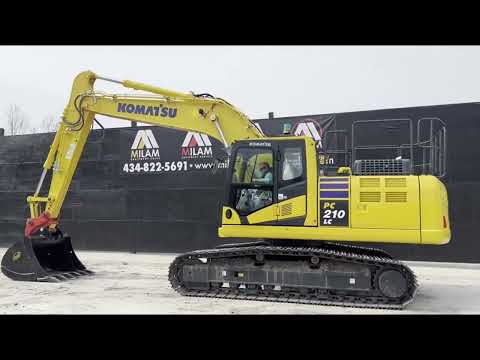
Excavator Dipper Arm Types: Specs That Impact Jobsite Efficiency
Explore excavator dipper arm types with precise specs affecting reach, lift, and cycle times for top models like CAT 320, Komatsu PC210, and Hitachi ZX200.
Understanding Excavator Dipper Arm Length and Its Impact on Reach
The dipper arm length directly governs the excavator's reach and digging depth. For instance, the Caterpillar 320's standard dipper arm measures approximately 3.15 meters, enabling a maximum digging depth of around 6.7 meters. Meanwhile, Komatsu's PC210 features a slightly shorter dipper arm around 2.9 meters, resulting in a digging depth closer to 6.1 meters.
On-site, these differences affect how operators position the machine relative to excavation points. Longer dipper arms on models like the CAT 320 allow for extended reach without repositioning, crucial in tight urban spaces or trench work where movement is restricted. Conversely, shorter arms mean more frequent machine relocation but can enhance lift capacity due to mechanical leverage.
Excavator Dipper Arm Shape and Structural Design: Balancing Strength and Weight
Most dipper arms employ box-section construction, but variations in cross-sectional dimensions and reinforcement impact durability and weight. The Hitachi ZX200 dipper arm uses high-tensile steel with optimized box geometry, reducing weight by 5% compared to older models while maintaining strength. This weight saving translates to better fuel efficiency and faster cycle times.
Additionally, the design influences stress distribution during heavy lifts. For example, the Komatsu PC210's dipper arm incorporates gusset plates at critical stress points, enhancing resistance to bending during high-torque operations like rock digging. Operators notice less arm deflection, improving bucket control precision.
Hydraulic Cylinder Placement on the Dipper Arm: Effects on Digging Force and Control
The positioning and size of hydraulic cylinders on the dipper arm determine digging force and responsiveness. The CAT 320's dipper arm utilizes a longer cylinder with a bore size of approximately 125 mm, offering a breakout force exceeding 70 kN. This translates to better penetration in compacted soils and improved material handling.
In contrast, the Hitachi ZX200 features dual cylinders strategically placed for balanced force distribution, enhancing control during delicate grading tasks. Operators appreciate the smooth, consistent arm movements, reducing operator fatigue on long shifts.
Specialized Excavator Dipper Arm Variants: Heavy-Duty vs. Long Reach Applications
Heavy-duty dipper arms prioritize reinforced construction and shorter lengths to maximize lift capacity. Take the CAT 320 HD dipper arm variant, which is about 10% heavier but delivers up to 15% higher breakout force than the standard arm. On demolition sites, this strength allows safer handling of dense materials and attachments like hydraulic breakers.
Conversely, long-reach dipper arms extend beyond standard lengths by up to 20%, as seen on the Komatsu PC210LC-11 Long Reach model. This extension increases maximum reach to nearly 8 meters, beneficial in dredging or deep excavation tasks where machine repositioning is limited. However, the trade-off involves reduced lift capacity and slightly slower arm cycle times due to increased hydraulic demand.
Operators and site managers must weigh these trade-offs based on project requirements—whether prioritizing reach, force, or cycle efficiency. Real-world experience with these dipper arm types shows that matching the arm design to the job's specific mechanical demands optimizes productivity and reduces wear.