Hydraulic vs Cable Excavator: What Buyers Must Know
Explore critical factors, hidden costs, and dealer insights when choosing between hydraulic and cable excavators for your next project.
Assessing Site Demands: When to Choose Hydraulic or Cable Excavators
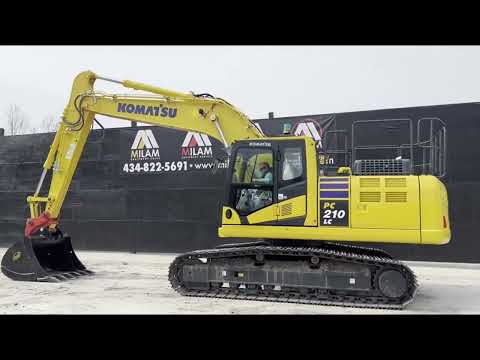
Experienced operators understand that the choice between hydraulic and cable excavators hinges on site conditions and project specifics. Hydraulic excavators like the CAT 320 or Komatsu PC210 excel in versatility, precision, and faster cycle times. They handle a wide range of tasks efficiently, from trenching to heavy-duty digging with smooth hydraulic control.
Cable excavators, such as the O&K RH 20 or Liebherr HS 855, are favored in demolition or quarry environments where heavy lifting and robust boom strength matter more than speed. Their simpler mechanical design can outperform hydraulics in certain rugged conditions but at the cost of slower operation.
Key Mechanical Differences Impacting Maintenance Costs
Hydraulic excavators rely on complex hydraulic systems that require routine inspection of pumps, hoses, and fluid quality. The Volvo EC220E Cable excavators feature wire ropes and drum mechanisms that require frequent lubrication and cable inspections to avoid sudden failures. While simpler mechanically, replacement of cables and drum components can be expensive and time-consuming, especially since these parts wear unevenly under heavy use. When negotiating rental or purchase agreements, dealers may not fully disclose the impact of fuel efficiency differences between hydraulic and cable excavators. Hydraulic models generally consume more fuel due to constant pump operation, whereas cable excavators often run on diesel engines optimized for steady-state loads, reducing fuel expenses on long-term projects. Another overlooked factor is attachment compatibility. Hydraulic excavators support a wider array of attachments—thumbs, breakers, grapples—allowing one machine to fulfill multiple roles. Cable excavators are limited in this regard, potentially necessitating additional equipment rental or purchase, which inflates overall costs. The upfront cost of cable excavators can appear attractive, especially for large-scale demolition projects. However, experienced site managers must factor in operational efficiency. Hydraulic excavators like the CAT 320 offer faster cycle times and greater maneuverability, translating into lower labor hours and quicker project completion. Moreover, resale values differ. Hydraulic excavators benefit from broader market demand, maintaining higher resale prices compared to cable excavators, whose niche applications limit secondary market liquidity. Hydraulic excavators provide advanced operator comfort with climate-controlled cabs, joystick controls, and integrated monitoring systems. These features reduce operator fatigue and improve precision. Cable excavators, often older designs, lack many modern ergonomic improvements, potentially impacting productivity during extended shifts. Safety systems integrated into hydraulic excavators—including overload warnings and electronic interlocks—are less common on cable models. Site managers must weigh these factors carefully, especially on projects with tight safety regulations.Hidden Costs Dealers Rarely Disclose
Evaluating Total Cost of Ownership Beyond Initial Price
Operational Ergonomics and Safety Considerations