Komatsu D155 vs Cat D8 Push Force: A Spec-Driven Comparison
Comparing the Komatsu D155 and Cat D8 dozers on push force and job site impact for heavy equipment pros and site managers.
Understanding Push Force in Heavy Dozers
Push force is a critical factor for dozer performance, directly influencing productivity on demanding earthmoving tasks. It represents the maximum force a dozer can exert to move material or obstacles, measured in pounds or kilonewtons. For operators and site managers, higher push force translates to improved efficiency in ripping through tough soil, rock, and debris.
Komatsu D155A-6 vs Cat D8T: Raw Push Force Numbers
The Komatsu D155A-6, a popular heavy-duty dozer, boasts a maximum push force of approximately 41,500 lbf (184.6 kN). This figure is derived from its powerful 354 hp engine and robust undercarriage designed for high traction.
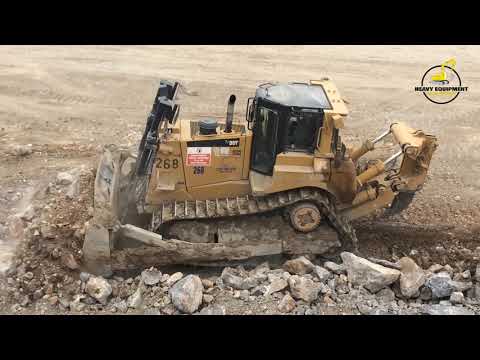
On the other side, the Caterpillar D8T, a benchmark in mid-weight dozing, delivers a push force close to 38,000 lbf (169 kN). Powered by a 354 hp Cat C9 engine, the D8T balances power and maneuverability.
Comparing the two, the Komatsu D155 edges out the Cat D8 in pure push force by roughly 9%. This advantage can be critical when tackling dense materials or pushing large loads.
Impact of Push Force Differences on Job Site Efficiency
The approximately 3,500 lbf difference in push force between the Komatsu D155 and Cat D8 might seem marginal but can significantly affect cycle times and fuel consumption on site. With higher push force, the D155 can maintain momentum in challenging conditions, reducing stall incidents and operator fatigue.
For instance, in heavy ripping operations or when moving large rock fragments, the Komatsu D155's superior push force allows it to clear material faster. This reduces the number of passes and lowers overall operational hours.
Model Variants and Their Role in Push Force
Within the Komatsu lineup, the D155AX-6 variant features an elevated drive sprocket and enhanced undercarriage, improving weight distribution and traction. This configuration can increase effective push force by optimizing ground contact and reducing slippage.
Similarly, Caterpillar's D8T features a sealed and lubricated track (SALT) undercarriage that enhances durability and traction but does not significantly boost push force beyond the base model. Operators valuing consistent traction might prefer the D8T SALT for extended service life rather than raw push power.
Operational Considerations Beyond Push Force
While comparing komatsu d155 vs cat d8 push force provides insight into brute strength, other factors influence real-world performance. Blade capacity, machine weight, ground conditions, and operator skill also dictate effective material movement.
The Komatsu D155 weighs around 43,000 lbs, slightly heavier than the Cat D8T at 41,000 lbs. This weight advantage contributes to higher traction and push force but can impact transport logistics and fuel use.
Additionally, the Komatsu’s advanced hydraulic system offers precise blade control, allowing operators to maximize the push force without overworking the engine. The Cat D8T’s electronically controlled transmission provides smooth power delivery, helping maintain consistent push force under varying loads.
Summary of Key Push Force Metrics
In summary, the Komatsu D155A-6 offers a push force approximately 9% higher than the Cat D8T, aided by a heavier frame and drivetrain design focused on raw power. The D155AX-6 further enhances performance with its specialized undercarriage.
For job sites requiring maximum material displacement and the ability to handle tough substrates, the Komatsu D155 stands out. However, the Cat D8T’s balance of push force, durability, and fuel efficiency keeps it competitive, especially where maneuverability and lower operating costs are prioritized.