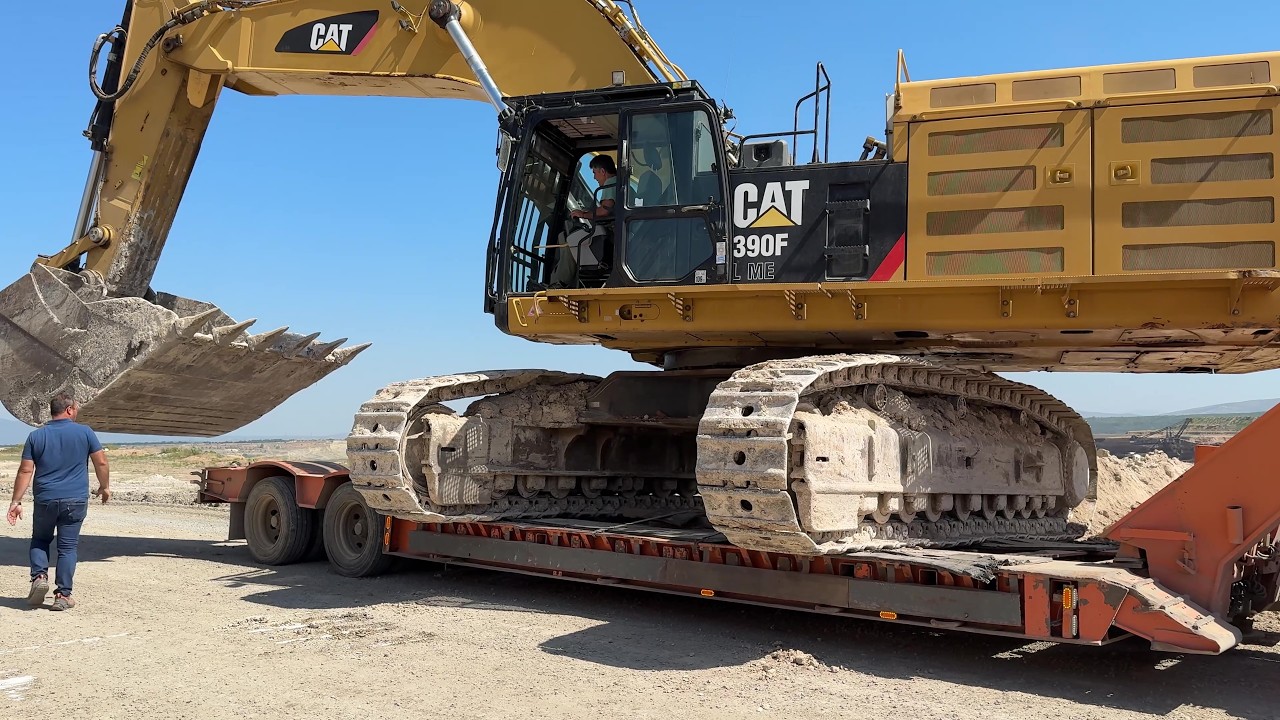
Cat 390F vs Komatsu PC800: Key Buyer Insights for Heavy Excavators
Explore crucial differences between the Cat 390F and Komatsu PC800 for buyers. Learn what to check, hidden costs, and dealer tips before your next rental or purchase.
Assessing Engine Performance and Fuel Efficiency
The Cat 390F is powered by the Cat C15 engine, delivering around 522 horsepower with advanced fuel injection technology. Its electronic engine controls optimize fuel burn, which can translate into lower operating costs over time. On the other hand, the Komatsu PC800 features a Komatsu SAA6D140E-7 engine producing approximately 560 horsepower. While it offers slightly higher power, its fuel consumption can be less predictable depending on site conditions and operator technique.
From a buyer’s standpoint, understanding the real-world fuel efficiency differences between these models is critical. Dealers often highlight raw horsepower but may underplay fuel burn rates under load. For projects with extended operational hours, the Cat 390F’s integrated fuel-saving features might yield tangible cost benefits.
Undercarriage Durability and Maintenance Considerations
Both the Cat 390F and Komatsu PC800 come with robust undercarriages, but the differences in track design and wear life can influence total cost of ownership. The 390F employs a sealed and lubricated track system with Cat's patented track roller guards, enhancing resistance to debris intrusion and wear. This design reduces downtime and maintenance frequency, crucial for long-term site productivity.
Conversely, the Komatsu PC800 uses a conventional undercarriage that, while rugged, may demand more frequent inspections and component replacements. Some buyers overlook the cumulative expenses tied to undercarriage upkeep, which dealers often fail to emphasize upfront.
Operator Comfort and Control Systems Impact Productivity
Experienced operators know that cab ergonomics and control responsiveness directly affect efficiency and fatigue levels. The Cat 390F features a redesigned cab with adjustable suspension seats, improved visibility, and intuitive joystick controls integrated with Cat’s Grade Control system. This system assists in precision digging and grading, reducing manual errors.
Komatsu's PC800 cab is spacious but tends to have a more traditional layout with less advanced electronic integration. While reliable, it may not offer the same level of operator assistance or comfort during extended shifts. When comparing cat 390f vs komatsu pc800 from an operator productivity viewpoint, these differences can translate to measurable time savings and reduced operator strain.
Hidden Costs: Parts Availability and Dealer Support
Dealers rarely discuss the implications of parts availability and service response times, yet these factors heavily influence machine uptime. Cat’s global parts network for the 390F is extensive, ensuring faster turnaround for replacements and repairs. This translates to less idle time during critical project phases.
Komatsu's PC800 parts supply can be more region-dependent, sometimes leading to longer lead times. Additionally, warranty terms and service packages differ between brands and dealers. Buyers should scrutinize these details carefully rather than accept dealer assurances at face value.
Resale Value and Lifecycle Cost Analysis
Considering the full lifecycle cost is mandatory for high-investment equipment like the Cat 390F and Komatsu PC800. The 390F generally holds higher resale value due to brand recognition and perceived reliability. Furthermore, Cat’s extensive dealer support can help maintain machine condition, positively impacting resale price.
Komatsu machines also retain value but might depreciate faster in some markets. Buyers and renters evaluating cat 390f vs komatsu pc800 should factor in expected resale values alongside acquisition and operating costs to get a clear picture of total investment.
Ultimately, the choice depends on specific project demands, operator preferences, and long-term financial planning. Scrutinizing these aspects will help experienced buyers avoid surprises often glossed over during sales discussions.