Dozer Ripper Attachment: Key Buyer Insights for Experts
Discover critical factors to consider before purchasing or renting a dozer ripper attachment, including hidden costs and dealer pitfalls.
Assessing Compatibility: Match the Dozer Ripper Attachment to Your Equipment
Experienced site managers know the importance of pairing the right dozer ripper attachment with their machine. Compatibility goes beyond simple fitment; it impacts performance, wear, and operational efficiency. For instance, the Caterpillar D11 ripper attachment is engineered specifically for the D11 series to optimize ground penetration and breakage force. Trying to adapt this attachment to smaller machines like the Komatsu D65 could lead to suboptimal results and accelerated component wear.
Before purchasing or renting, verify the hydraulic flow requirements, mounting system, and structural support. The John Deere 850K ripper, for example, integrates seamlessly with its matching dozer series, ensuring the frame can handle the increased stresses. Misalignment or undersized frame capacity will not only reduce ripping efficiency but can cause frame cracks or ripper shank failures.
Hidden Costs of Dozer Ripper Attachments You Should Budget For
Many operators focus on the upfront price tag while overlooking operational and maintenance costs. Ripper attachments demand significant upkeep—replaceable wear parts such as shanks, tips, and side bits wear faster on abrasive ground conditions. The Komatsu D155AX-8 ripper attachment's tungsten carbide tips can extend tip life but add to replacement costs.
Fuel consumption also increases when operating a dozer with a ripper. The additional load requires more horsepower, translating to higher operational expenses. Dealers often omit this data during sales, but experienced operators note up to a 15% fuel increase during aggressive ripping tasks.
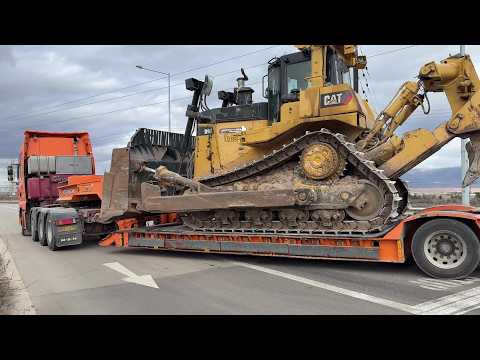
Transport and storage are frequently overlooked. The size and weight of ripper attachments complicate logistics. Renting a ripper attachment might seem economical initially, but factor in transport fees, which can be substantial for larger models like the Caterpillar D10T ripper. Additionally, proper storage to prevent corrosion and mechanical damage is necessary, adding to holding costs.
What Dealers Won’t Tell You About Warranty and Service Contracts
Dealers often promote comprehensive warranty packages and service contracts, but the fine print can limit coverage. For example, warranties may exclude wear parts, which are the ripper shanks and tips. These components experience heavy abrasion and impact, leading to frequent replacements outside of warranty coverage.
Service contracts might require you to use dealer-approved maintenance schedules and parts exclusively. While this ensures performance and safety, it can lock you into higher service costs compared to third-party maintenance, especially for older models like the John Deere 700K ripper. Carefully review the terms to understand what is covered and what isn’t.
Another point seldom disclosed is downtime impact. Dealers may not emphasize how long it takes to get replacement parts or scheduled service, which can delay critical site operations. In tight project timelines, such delays translate directly into lost productivity and increased costs.
Evaluating Performance Features and Durability for Your Job Site
Not all dozer ripper attachments are created equal. The geometry of the ripper shanks, the number of shanks, and the adjustability of penetration depth vary between models. For example, the Caterpillar D9T ripper provides three shanks designed for high-impact breaking on hard surfaces, while the Komatsu D85EX-18 ripper offers a single shank optimized for ripping compacted soil.
Durability is another critical factor. Look for hardened steel components and replaceable wear parts. The John Deere 850K ripper’s design incorporates replaceable shank plates, reducing the need for costly full shank replacements. Consider the typical ground conditions your site faces — rocky, frozen, or compacted soils demand different ripper designs.
Operational ergonomics should not be ignored. Adjustability features that allow operators to control ripper depth and angle from the cab improve precision and reduce cycle times. Confirm that the attachment’s hydraulic and control systems integrate fully with your existing dozer controls.