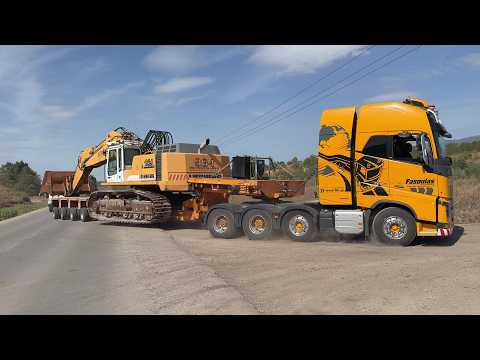
Excavator Arm Reach: Solving On-Site Challenges with Precision
Discover how excavator arm reach impacts site efficiency and how top models like the CAT 336 and Komatsu PC210 deliver solutions for complex digs.
Addressing the Challenge of Limited Reach in Complex Excavation Projects
Experienced operators and site managers know that one of the toughest challenges in excavation is managing reach limitations on demanding job sites. When working in congested urban areas or deep trenches, insufficient arm reach can lead to constant repositioning, wasted fuel, and increased cycle times — all of which erode profitability. The excavator arm reach becomes a critical spec that directly affects operational efficiency and project timelines.
How Excavator Arm Reach Specifications Affect Job Site Versatility
Excavator arm reach refers to the maximum horizontal distance the boom and arm can extend to manipulate material without relocating the machine. A longer reach allows operators to access difficult-to-reach spots such as deep basements, steep slopes, or over obstacles, while a shorter reach can restrict operations and force additional maneuvers. However, it’s a balance; longer reach often means reduced breakout force and stability, so understanding the trade-offs is essential.
For example, the Komatsu PC210LC-11 offers an arm reach of approximately 7.7 meters, making it suitable for mid-sized projects where moderate reach and power are needed. Its precise hydraulic control ensures smooth operation, reducing the need for repositioning.
Model Spotlight: Matching Excavator Arm Reach to Site Demands
The CAT 336 Excavator features an impressive arm reach of about 8.5 meters. Its design supports heavy-duty digging and loading tasks at extended distances, ideal for large-scale civil engineering projects or pipeline installations where reach matters as much as power. Operators can rely on its strong hydraulics combined with reach to maintain productivity without frequent machine moves.
On the other hand, the Hitachi ZX350LC-6 offers slightly less reach, around 7.5 meters, but compensates with exceptional lifting capacity and stability. This model excels in tight job sites where precise control and reliability outweigh maximum reach length.
For projects requiring maximum reach for deep excavation, the Volvo EC480E delivers up to 9 meters of arm reach. It’s designed for large mining or quarrying operations where the ability to reach far across stockpiles or pits reduces cycle times significantly.
Optimizing Excavator Arm Reach for Operational Efficiency
Experienced operators understand that maximizing arm reach isn’t just about picking the longest boom. It involves selecting the right combination of boom length, arm length, and bucket size to suit the project’s specific requirements. Overextending an excavator beyond its optimal reach can compromise lifting power and safety.
Additionally, attachments like extendable arms or specialized buckets can enhance reach flexibility without swapping out machines. For instance, some models offer optional long-reach configurations that add up to 2 meters of extra reach, allowing operators to adapt on the fly.
Site managers should also factor in terrain and stability — longer arm reach can shift the center of gravity, requiring counterweights or outriggers to maintain operational safety. Regular maintenance of hydraulic systems and boom joints ensures that arm reach capabilities remain consistent over time.
Practical Insights from Experienced Operators
Operators who frequently work with the CAT 336 note that its arm reach allows them to load trucks positioned several meters away without repositioning, saving significant time on large sites. Conversely, those using the Komatsu PC210LC-11 praise its balance of reach and maneuverability in confined urban jobs.
Hitachi ZX350LC-6 users highlight the importance of combining arm reach with lifting capacity when handling heavy materials at distance, while Volvo EC480E operators emphasize that maximum reach is a game-changer for large-scale quarry operations where every meter counts.
Understanding the nuances of excavator arm reach empowers site teams to make informed equipment choices that directly improve productivity, reduce operational costs, and maintain safety standards.