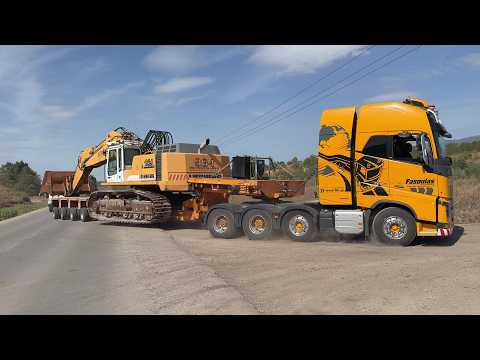
Excavator Engine Types: Choosing Power for Efficiency
Operators face efficiency and fuel challenges; understanding excavator engine types helps optimize performance on demanding job sites.
Balancing Power and Fuel Efficiency on Heavy-Duty Excavators
Experienced operators know that selecting the right excavator engine type isn't just about horsepower; it's about matching power delivery to project demands while controlling fuel consumption and emissions. On large-scale earthmoving sites, an underpowered engine leads to sluggish cycles and lost productivity. Conversely, an oversized engine wastes fuel and increases operating costs. The challenge lies in finding the optimal engine that delivers robust performance without excess energy drain.
Diesel Engines: The Standard for Torque and Reliability
Most heavy excavators rely on advanced diesel engines, prized for high torque at low RPMs—a critical feature when digging through dense soil or rock. For example, the Caterpillar 336 excavator uses a Cat C7.1 diesel engine that outputs 219 horsepower with excellent torque curves, ensuring stable power delivery under load. Its electronic fuel injection and turbocharging optimize combustion, reducing fuel burn and emissions, addressing the challenge of balancing power with environmental regulations.
Similarly, Komatsu’s PC210LC-11 employs a Komatsu SAA6D107E-3 engine, a 6-cylinder turbocharged diesel delivering 173 horsepower. Its advanced electronic control system adapts engine output dynamically, tackling the problem of fuel wastage during variable load cycles by modulating power as needed.
Tier Emissions Standards and Their Impact on Engine Selection
Meeting stringent Tier 4 Final and Stage V emission standards has forced manufacturers to refine engine designs. This evolution benefits operators by lowering particulate and nitrogen oxide emissions without compromising power. Volvo’s EC300E excavator features a Volvo D8J engine that integrates Selective Catalytic Reduction (SCR) and Diesel Particulate Filter (DPF) systems. This setup addresses the operational challenge of adhering to regulatory limits while maintaining consistent performance in tough digging conditions.
However, these emission control systems require maintenance considerations. Experienced site managers must ensure regular servicing of SCR components and monitor DEF (Diesel Exhaust Fluid) levels to avoid unexpected downtime, turning emission compliance into a manageable operational factor rather than a liability.
Hybrid and Electric Engines: Emerging Solutions for Urban and Low-Emission Zones
The push for greener construction sites introduces hybrid and fully electric excavators as alternatives. Take the John Deere 35G, which combines a diesel engine with an electric motor to optimize fuel use and reduce noise—a boon for urban projects with strict noise ordinances. Operators experience immediate torque from the electric motor, smoothing start-stop cycles and reducing engine idling time, which solves the problem of excessive fuel consumption during low-activity periods.
For fully electric solutions, the Volvo EW60E wheeled excavator runs solely on battery power, eliminating onsite emissions and significantly lowering noise. While battery capacity limits continuous operation time, this engine type is ideal for sensitive environments where regulatory restrictions or community concerns dictate low-emission machinery.
Matching Engine Specs to Job Site Demands
Choosing the right engine type involves evaluating project scale, soil conditions, and operational priorities. High-torque diesel engines excel on large infrastructure projects requiring sustained digging power and long cycle times. Meanwhile, hybrid models serve well on sites with intermittent operation, where fuel savings and noise reduction yield tangible benefits. Electric engines fit niche applications prioritizing zero emissions and noise control but require charging infrastructure and operational planning.
Understanding these excavator engine types enables operators and site managers to align equipment capabilities with job requirements, tackling the dual challenges of productivity and compliance on modern construction sites.