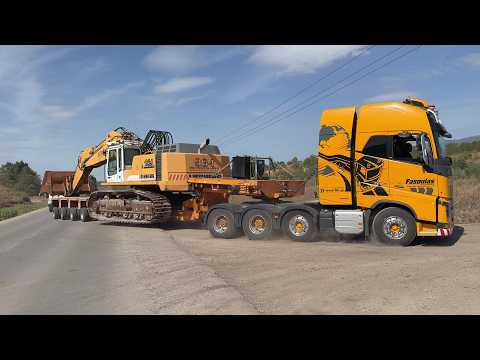
Excavator Ground Pressure: Managing Soil Impact on Job Sites
Operators face soil compaction and stability challenges. Understanding excavator ground pressure helps optimize equipment choice and site safety.
Why High Ground Pressure Risks Site Stability
Experienced operators know that uneven soil compaction can lead to equipment instability, structural damage, and project delays. Excavators exert significant force on the ground, and when ground pressure exceeds soil bearing capacity, it causes rutting, sinking, or even collapse. This is especially critical in soft or sensitive soils, wetlands, or urban environments where ground disturbance is minimized.
For instance, on a recent dense urban project, the use of a heavy excavator with excessive ground pressure caused unexpected soil deformation, leading to hazardous working conditions and costly remediation efforts. Therefore, controlling ground pressure is not just a matter of equipment specs but a vital operational parameter affecting safety and efficiency.
How Excavator Specs Influence Ground Pressure
Ground pressure is a function of an excavator's weight and the surface area of its tracks or tires. The more weight distributed over a larger footprint, the lower the ground pressure. When selecting a machine, operators must balance power and reach against soil compatibility.
The Volvo EC220E offers a well-balanced design, weighing roughly 22 metric tons but with wide tracks that distribute the load, keeping ground pressure moderate. Its 600 mm track shoes provide a footprint that reduces soil stress, making it suitable for mixed terrains. Conversely, the Caterpillar 336, heavier at nearly 37 metric tons, demands careful consideration of ground conditions; its narrower track options can raise ground pressure, requiring additional mitigation measures like mats or track extensions.
Choosing Equipment to Match Soil Conditions
Operators managing projects on soft ground often select models with lower ground pressure to minimize soil disturbance. The Komatsu PC138US-11 is a compact radius excavator with a relatively low ground pressure of approximately 39 kPa. It excels in confined or sensitive areas where heavy compaction could jeopardize structural integrity or environmental compliance.
For wet or marshy sites, the Doosan DX225LC-5 provides options for wider track shoes and adjustable track width, enabling operators to reduce ground pressure dynamically. This flexibility aids in maintaining mobility without sacrificing stability or causing excessive soil damage.
Operational Strategies to Manage Ground Pressure
Beyond equipment choice, operators employ techniques such as using track mats, increasing track shoe width, or operating at reduced machine weights by lifting unnecessary attachments. Regular monitoring of soil conditions and adjusting machine setup accordingly is essential. For example, deploying the Caterpillar 336 with added track pads and limiting boom extensions can reduce effective ground pressure and improve stability.
Moreover, scheduling heavy excavation during drier site conditions helps prevent soil saturation that amplifies ground pressure effects. Experienced site managers often incorporate real-time ground pressure assessments into their operational protocols to mitigate risks proactively.
Balancing Productivity and Soil Protection
Maximizing productivity while protecting the job site’s integrity requires a nuanced understanding of ground pressure. Machines like the Volvo EC220E and Komatsu PC138US-11 demonstrate that manufacturers are focusing on optimizing weight distribution without sacrificing performance.
Ultimately, an operator’s expertise in evaluating soil types, combined with selecting the right equipment and employing ground pressure management tactics, ensures efficient excavation without compromising site safety or causing costly soil rehabilitation.