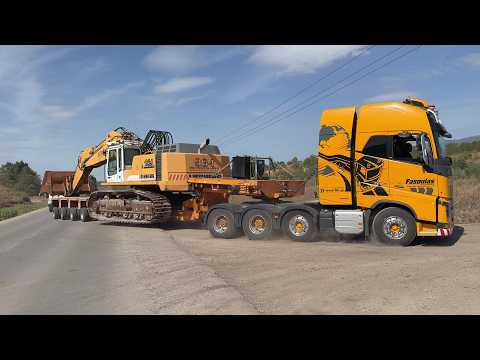
Operating Weight vs Payload: A Practical Guide for Equipment Pros
Master the difference between equipment operating weight and payload with insights from real-world use, common operator mistakes, and expert tips.
Understanding Equipment Operating Weight and Its Impact on Performance
Experienced operators know that equipment operating weight is more than just a spec on a data sheet—it directly influences machine stability, fuel efficiency, and overall jobsite productivity. For example, the Caterpillar 336 excavator’s operating weight of around 36 tons dictates how it handles rough terrain and manages load cycles. Misinterpreting this weight often leads to overloading or underutilizing the machine, which impacts both safety and efficiency.
Payload Capacity: What Manuals Often Underemphasize
Payload isn’t just a maximum number; it’s the realistic weight your machine can carry while maintaining control and avoiding structural stress. Take the Komatsu WA320 wheel loader, with a payload capacity near 6 tons. Operators who push beyond this limit risk rapid wear on components and reduced machine lifespan. Manuals may list payload figures under ideal conditions, but experienced operators adjust for factors like terrain, material density, and attachment weight.
Common Operator Mistakes with Operating Weight and Payload
One frequent error is assuming that the equipment operating weight includes payload capacity. It doesn’t. Operating weight accounts for the machine’s weight with standard equipment and fluids but excludes the load. This confusion often causes operators to overload machines like the John Deere 350G excavator, resulting in compromised hydraulics and unsafe handling.
Another mistake is neglecting the effects of attachments. A hydraulic hammer or grapple adds significant weight, effectively increasing the machine’s operating weight and decreasing available payload. Seasoned operators factor in these adjustments daily, especially in machines like the Volvo L220H, where attachments can add over a ton to the base operating weight.
How Site Conditions Shift the Balance Between Operating Weight and Payload
Terrain and ground conditions alter how equipment operating weight translates into effective payload capacity. For instance, on soft or uneven ground, the Caterpillar 336’s effective payload might be less than its rated capacity because extra weight could cause sinking or tipping. Operators who ignore this risk may face costly downtime or equipment damage.
Seasoned site managers often reduce payload targets or switch to machines with higher operating weights for better stability in challenging conditions. The Komatsu WA320’s versatility comes from its balance of operating weight and payload, but even it requires cautious operation on unstable soils.
Practical Tips for Accurate Load Management
Experienced operators rely on more than just the machine manual. They use onboard scales, real-time monitoring systems, and pre-job site assessments to gauge actual payload versus theoretical limits. For example, John Deere 350G operators often use integrated load-sensing technology to avoid overloading during complex lifts.
Regular equipment inspections also tie back into understanding equipment operating weight. Worn tires or underinflated tracks increase ground pressure, effectively changing how weight is distributed. Operators who proactively maintain their Volvo L220H loaders see improved payload efficiency and longer service intervals.
Why Ignoring Operating Weight Can Compromise Safety and Productivity
Ignoring the nuances of equipment operating weight can lead to tipping hazards, excessive frame stress, or even catastrophic failures. Payload overloads exacerbate these risks. Real-world experience teaches that respecting these limits isn’t just about compliance—it’s about preserving the machine and protecting the crew.
The Caterpillar 336’s design includes counterweights precisely calculated to balance its operating weight during heavy lifts. Operators who add excessive payload or attachments without recalculating this balance invite instability. Understanding these dynamics is a key skill that manuals only briefly address.
Summary: What Experienced Operators Know That Manuals Skip
Manuals provide baseline numbers for equipment operating weight and payload, but they rarely cover the adjustments needed for attachments, site conditions, or wear and tear. Seasoned operators constantly calibrate their understanding. They know that a Komatsu WA320’s payload isn’t fixed—it’s a variable influenced by real-world factors. They adjust loads, monitor equipment health, and adapt to terrain challenges.
Ultimately, mastering the relationship between operating weight and payload improves safety, extends equipment longevity, and increases jobsite productivity. For operators and site managers, this knowledge is a daily practice, not just a manual reference.