Top Excavators for Bridge Construction: Buyer Insights
Discover key factors, hidden costs, and dealer truths when choosing excavators for demanding bridge construction projects.
Assessing Excavator Specifications for Bridge Construction
Bridge construction demands excavators with high lifting capacity, precise control, and durability under continuous heavy loads. Operators and site managers must prioritize machines with strong hydraulic systems and reinforced booms designed to handle the unique stresses of bridge work. For instance, the Caterpillar 336 offers a robust hydraulic system and a reinforced undercarriage, making it a popular choice for bridge deck excavation and pier foundation work. Equally, the Komatsu PC300-11 integrates advanced hydraulic technology and excellent fuel efficiency, which can reduce operation costs on long-term bridge projects.
What to Verify in Dealer Offers and Contracts
Dealers often highlight machine specifications and warranty terms but may understate service requirements and parts availability. When considering an excavator for bridge construction, verify the scope of included maintenance and whether consumables like hydraulic filters and undercarriage components have separate costs. For example, extended warranties on the Volvo EC300E are often sold separately and may not cover high-wear parts critical in bridge work. Clarify the dealer's policy on downtime support and loaner equipment to avoid costly project delays.
Hidden Costs Impacting Total Ownership
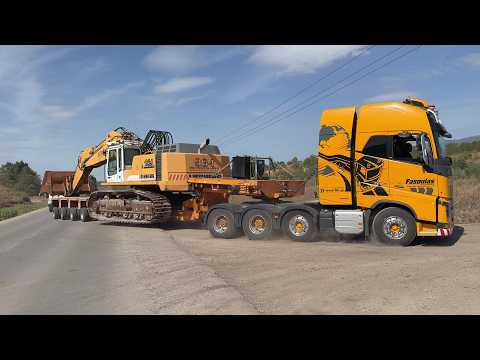
Beyond the purchase or rental price, several costs affect the total cost of ownership. Fuel consumption for heavy equipment in bridge construction can be substantial, especially with machines operating non-stop in challenging environments. The Hitachi ZX350LC-6 is noted for its fuel-saving features, but real-world consumption depends heavily on operator technique and job conditions. Furthermore, transportation charges for moving excavators to bridge sites—often located in remote or constrained areas—can add unexpected expenses. Lastly, the wear and tear on buckets, teeth, and hydraulic lines may accelerate due to abrasive materials commonly encountered during substructure excavation.
Balancing Rental vs. Purchase for Bridge Projects
Deciding between renting or purchasing excavators for bridge construction hinges on project scope and duration. Rentals offer flexibility but often carry higher hourly rates and restrictions on modifications or attachments needed for specialized bridge tasks. Purchasing ensures full control over maintenance schedules and customization but requires upfront capital and long-term planning. For example, owning a Caterpillar 336 can be advantageous for contractors with frequent bridge projects, while short-term bridge work may justify renting a Komatsu PC300-11 to avoid idle equipment costs.