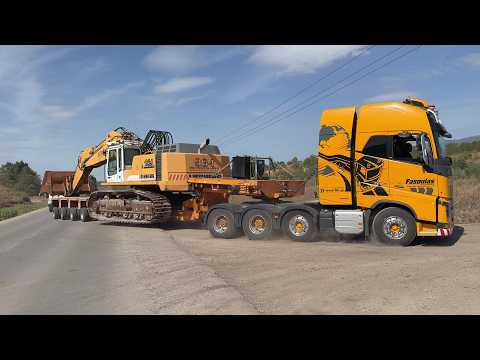
Top Excavators for Rock Breaking: Specs That Matter
Explore key specs of leading excavators optimized for rock breaking—power, weight, and hydraulic performance analyzed for real job site impact.
Why Hydraulic Flow and Pressure Define Excavator Rock Breaking Efficiency
When tackling rock breaking tasks, the hydraulic system's flow rate (l/min) and pressure (bar or psi) are paramount. For example, the Caterpillar 336 GC offers a hydraulic flow of up to 410 l/min at 350 bar, delivering consistent power to attachments like hydraulic breakers. Higher flow and pressure translate into faster, more forceful strikes, reducing cycle times on hard rock formations. Operators notice less stalling and smoother operation, which is critical for prolonged rock breaking applications.
Operating Weight and Stability: Balancing Mobility with Breaking Power
The excavator's weight directly impacts its stability during high-impact breaking. Take the Komatsu PC210LC-11, weighing approximately 22 metric tons, which provides the necessary counterweight to absorb shock loads from rock breaking. On uneven terrain, excessive swinging can jeopardize both safety and precision. A heavier machine like the Hitachi ZX350LC-6, tipping the scales at about 35 metric tons, offers superior stability but sacrifices some maneuverability. Selecting the right balance depends on site constraints and rock hardness.
Engine Power and Torque: Driving Hydraulic Performance Under Load
Engine specifications are a critical driver of hydraulic output. The Volvo EC300E, equipped with a 165 kW engine producing 1,100 Nm torque, maintains hydraulic pressure under heavy loads, ensuring breaker performance doesn't falter. On challenging rock sites, insufficient engine power can cause frequent drops in hydraulic pressure, leading to slower cycle times and increased wear on components. Operators will find machines with robust engine torque deliver smoother continuous operations.
Attachment Compatibility and Quick Coupler Systems
Efficient excavator rock breaking demands rapid attachment swaps to maintain productivity. The Cat 336 GC features an advanced quick coupler system compatible with a wide range of hydraulic breakers, from compact models to heavy-duty units exceeding 1,000 ft-lbs impact energy. This versatility enables operators to adjust breaker size based on rock hardness and project scale without downtime. On the other hand, machines lacking quick couplers can lose hours in attachment changes, which on fast-paced sites translates into significant cost.
Hydraulic Breaker Integration: Real-World Performance Metrics
Some excavators come factory-tuned for optimal breaker integration. The Komatsu PC210LC-11’s hydraulic system is designed to deliver peak breaker power without hydraulic shocks, extending breaker lifespan. On-site, this means fewer breaker replacements and lower maintenance costs. The Hitachi ZX350LC-6’s load-sensing hydraulics adapt flow dynamically, increasing efficiency and reducing fuel consumption during rock breaking cycles. These enhancements are especially valuable on extended projects where operational costs escalate quickly.